




High Rates of Stunting, Wasting, and Underweight in Central Java and Makassar Revealed: Parents Call for Nutritional Support, Including Milk
Central Java and Makassar – Child malnutrition remains a significant challenge in Indonesia. Recent research conducted in two regions—Central Java and Makassar—has revealed alarming prevalence rates of three key indicators of poor nutrition: stunting (impaired growth), wasting (acute undernutrition), and underweight (low weight for age) on September 2023 – September 2024. The findings highlight that many children continue to receive inadequate nutritional intake, which hinders their optimal growth and development.
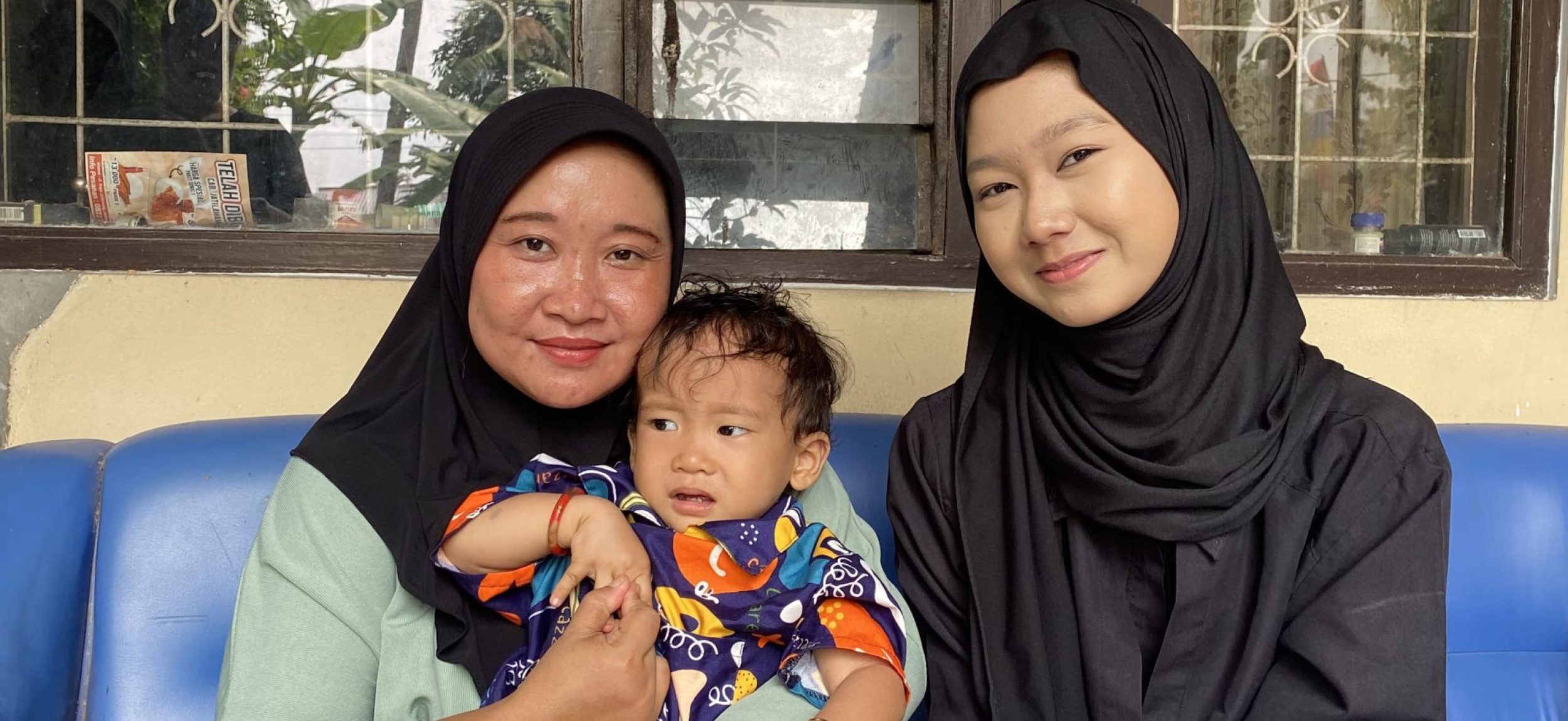
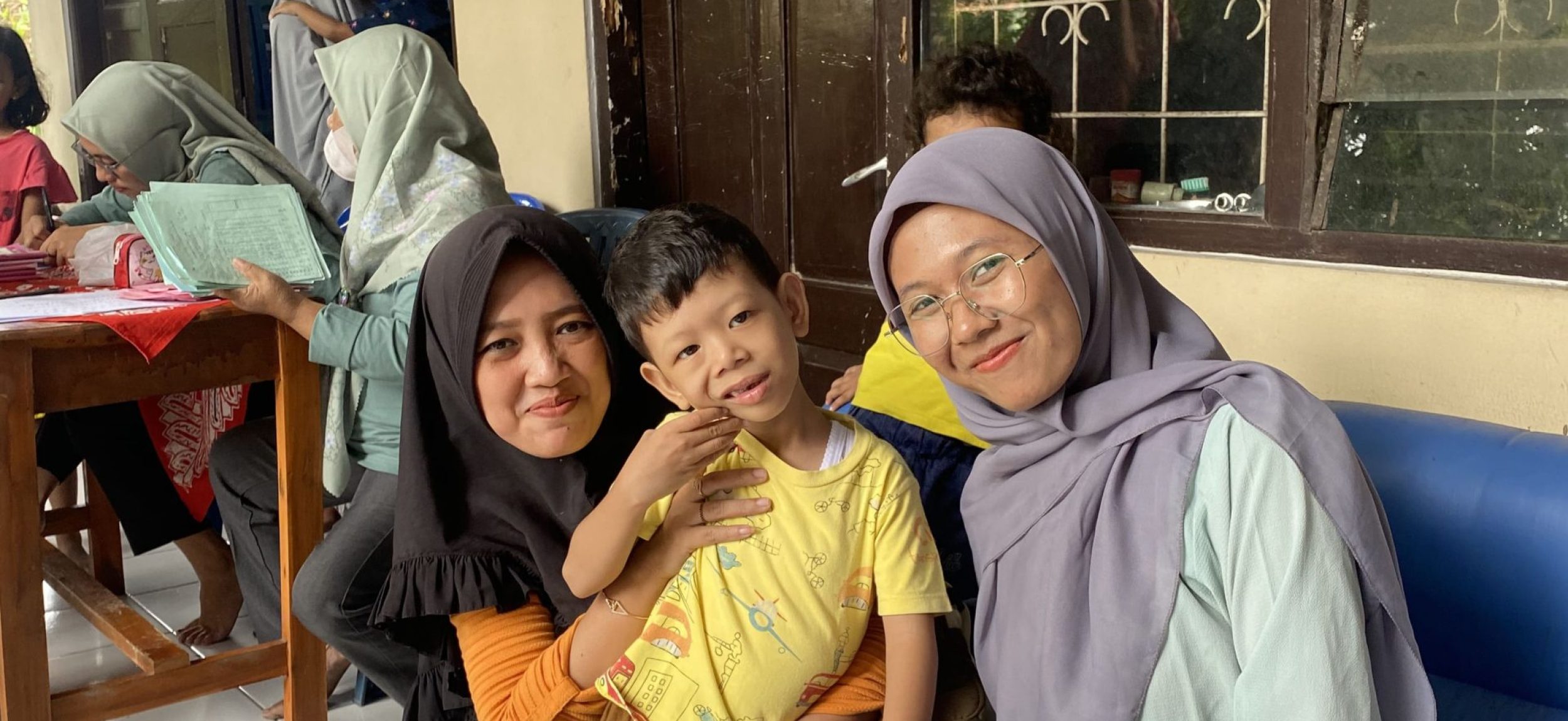
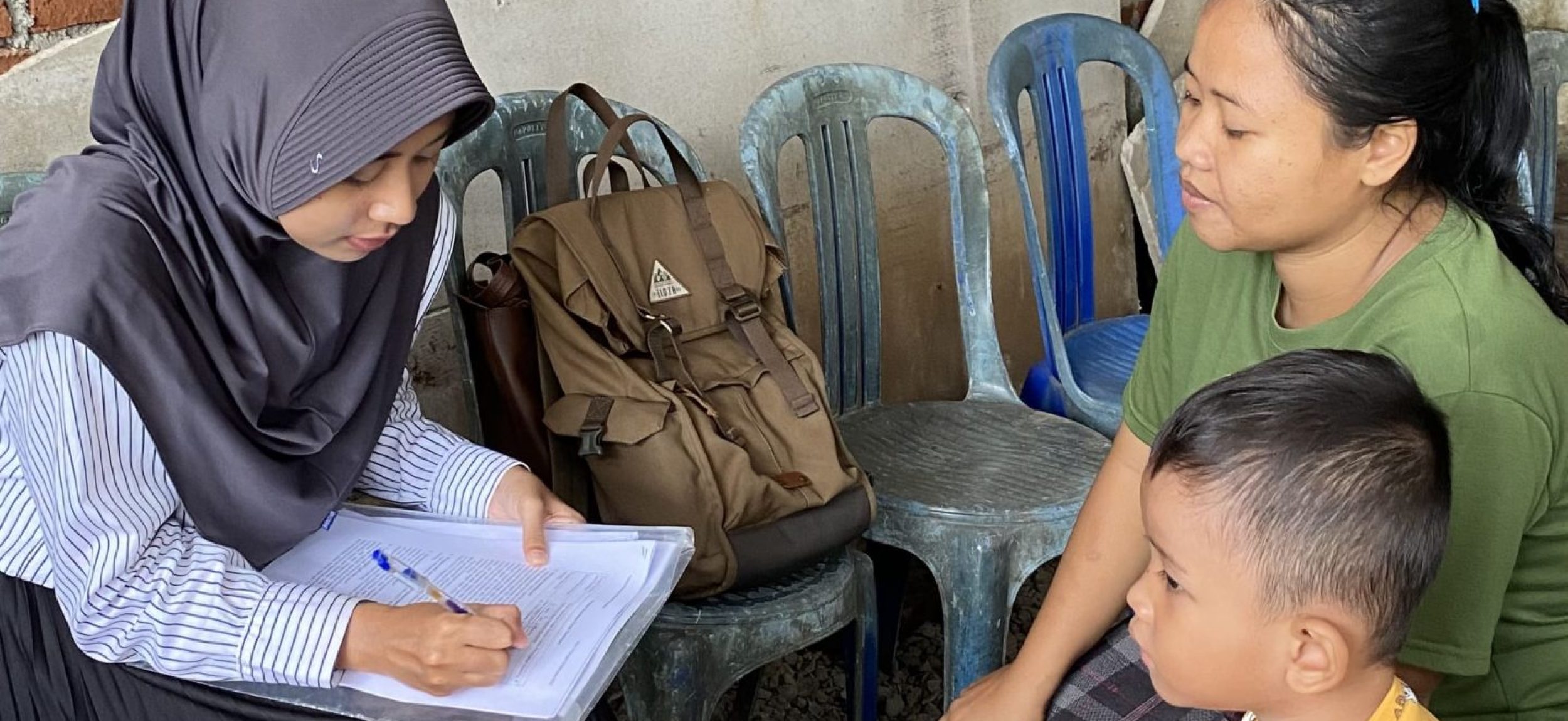
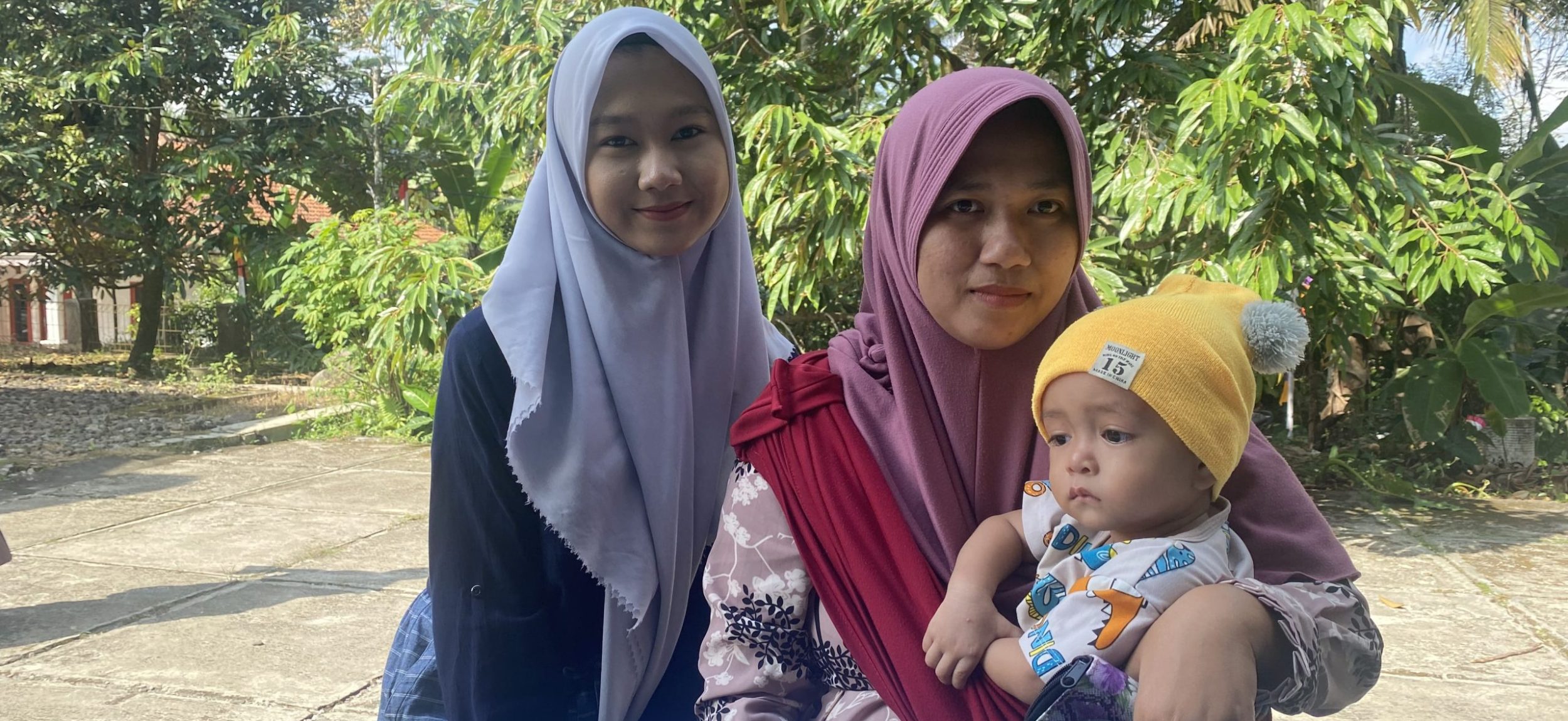
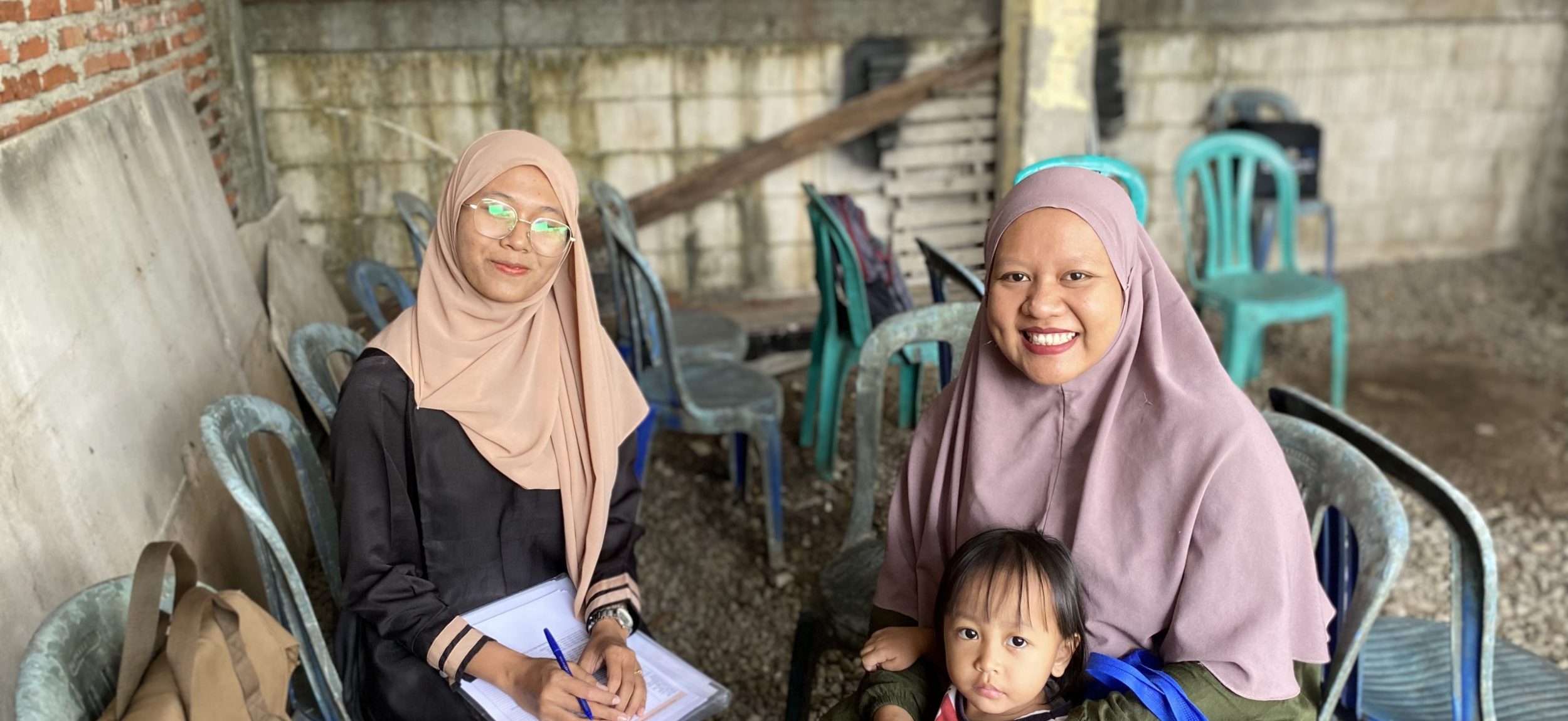
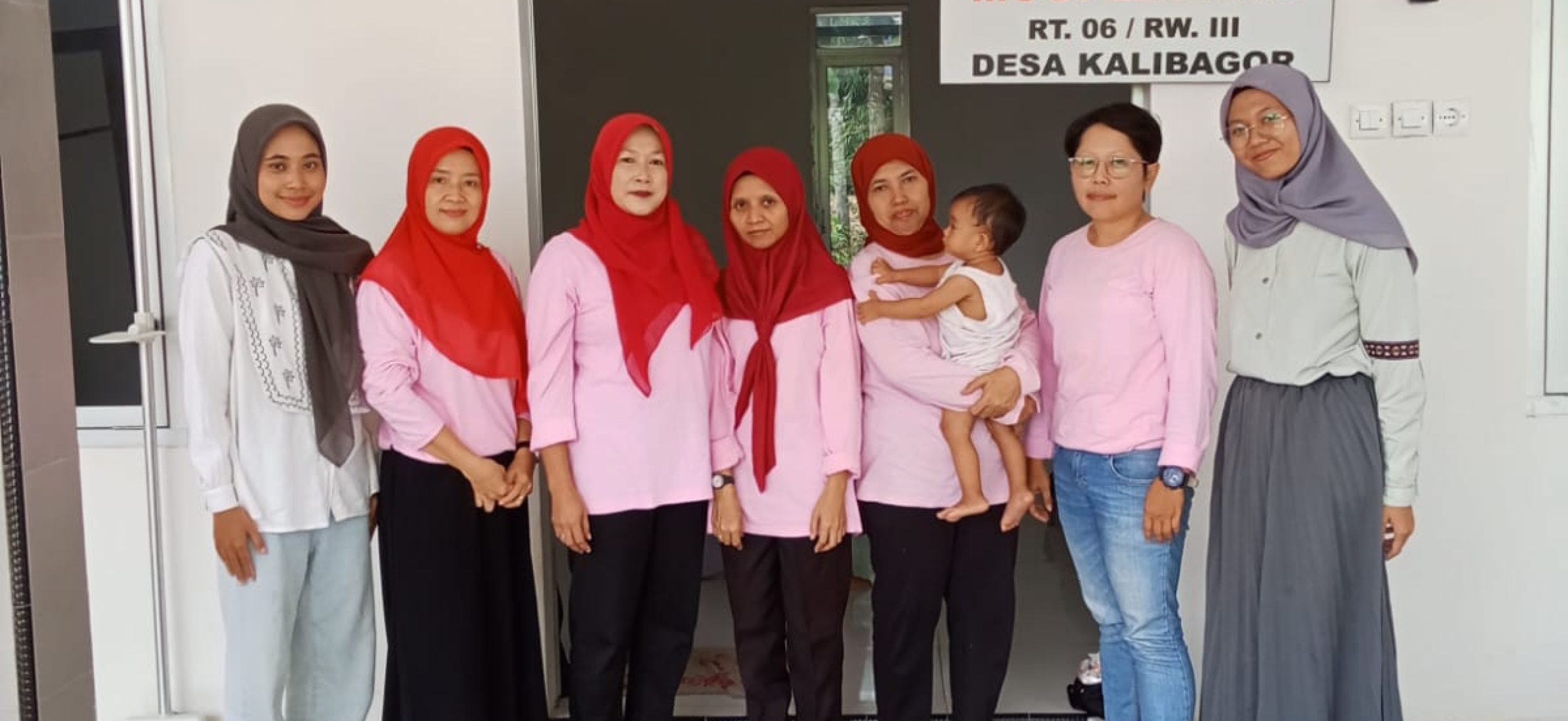
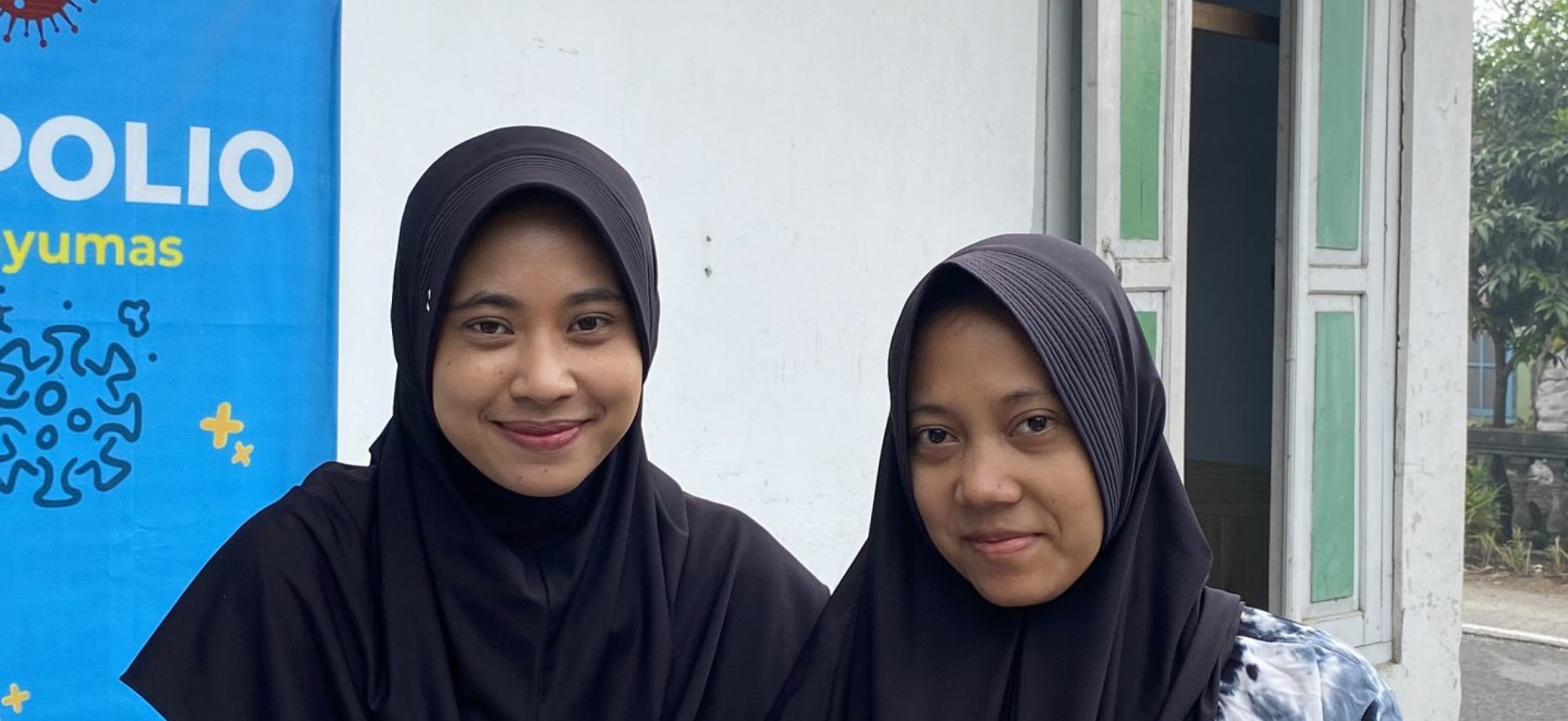
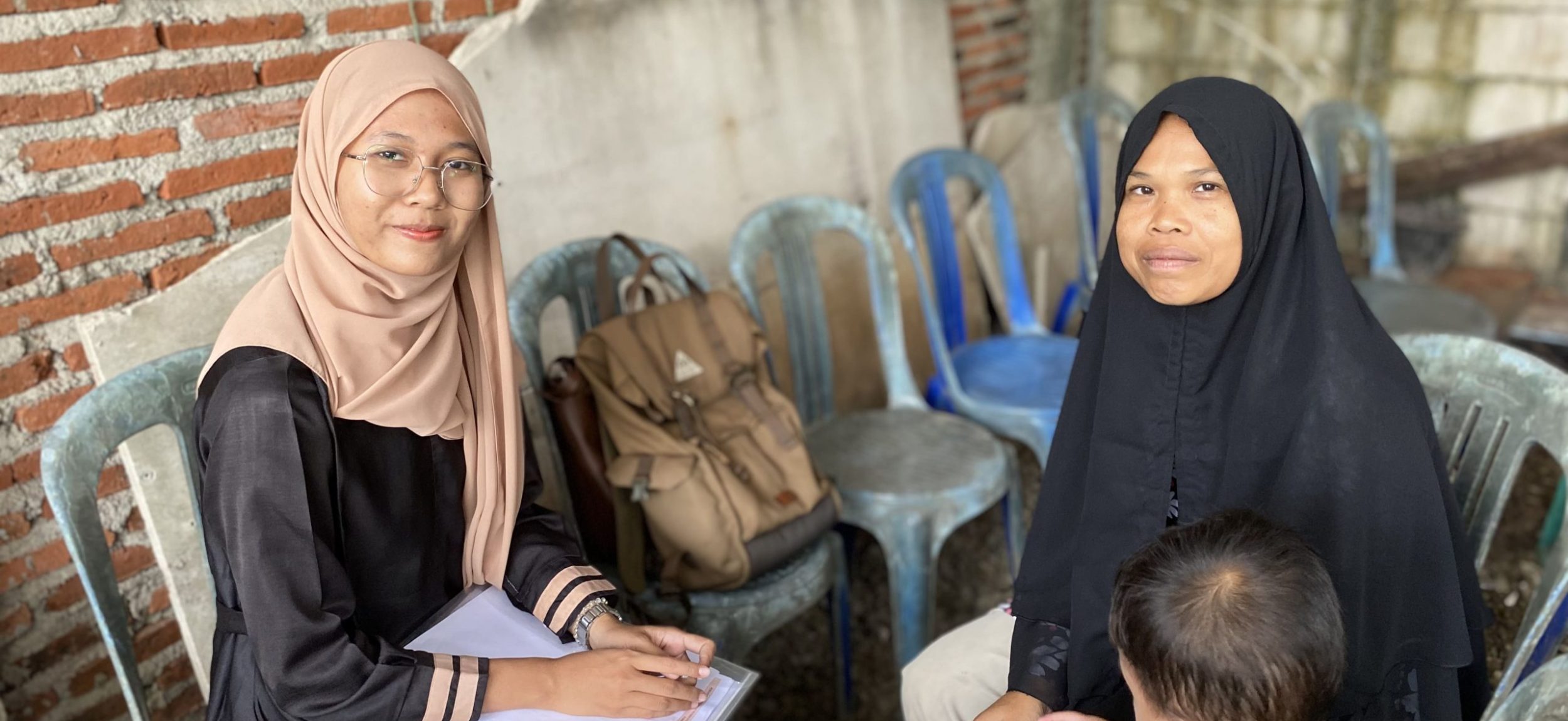
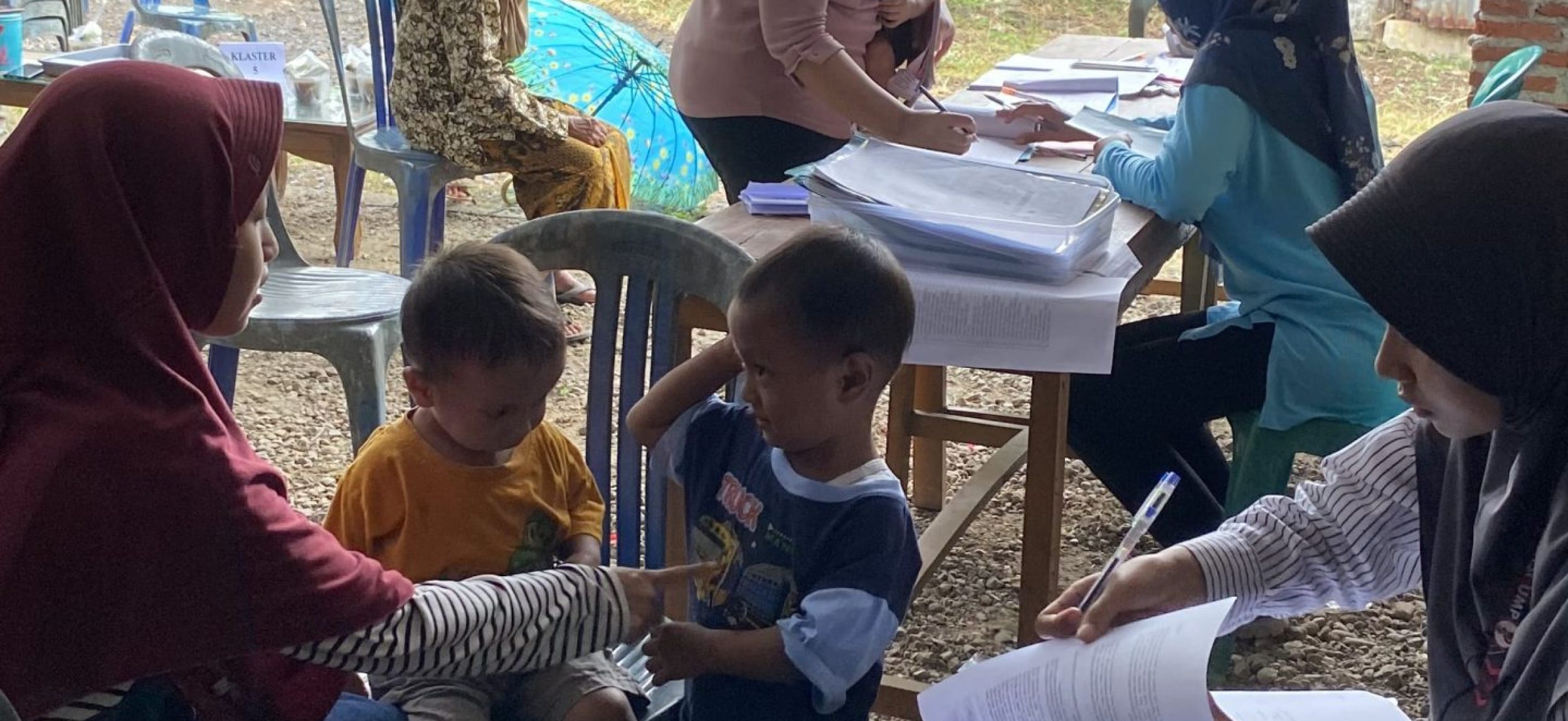
Using a direct, community-based approach, the research team conducted interviews with parents in both regions. Data collection was conducted through home visits and during routine Community Health Posts (Posyandu) activities in villages and urban neighborhoods. This dual method was chosen to ensure that the data gathered would accurately and descriptively reflect the real conditions in the field.
To assess the children’s quality of life and parents’ perceptions of their children’s health conditions, researchers employed the EQ-5D-5L questionnaire—an internationally recognized standard tool for measuring health dimensions and quality of life in children from the parents’ perspective.
Stunting, Wasting, and Underweight: One Problem, Many Impacts
Initial results from the study indicate that a significant number of cases of stunting and underweight occur in children under five years of age. Some children experience a combination of two or even three of these conditions simultaneously, which has a profound impact on their physical and cognitive development.
“My child is three years old, but his weight is still that of a 1.5-year-old,” said one mother from the Cilongok village. She shared her struggles with meeting her child’s nutritional needs due to economic limitations. “Milk is important, but sometimes we cannot afford to buy it regularly, so we rely on assistance from the village and health center, such as the Supplementary Feeding (PMT) program.”
Similarly, in Makassar, a father named Mr. Rahmat shared his concerns. “My child is healthy but has difficulty eating, so his weight is much lower than what it should be. If there were milk or food assistance programs, I would fully support them. Sometimes we are not sure what food is really needed,” he explained.
The Role of Nutrition Additional: Milk is not Just for Fun Complement
From the results of interviews and data analysis, the research team found that many parents still do not fully understand the importance of both micro- and macronutrients for their children. Milk, as a rich source of protein, calcium, and essential vitamins, is seen as a key factor in addressing nutritional deficits, particularly in children who are underweight or short for their age.
The research team concluded that food supplements, such as milk, should not be viewed merely as an addition, but rather as an integral part of nutritional intervention strategies. “It’s not just the main food that matters; food supplements like milk must receive more attention, especially for vulnerable families,” stated one of the researchers.
Expectations from Field: Healthy Generation, Bright Future
From Central Java to Makassar, the voices of parents reflect a common and significant hope: that their children grow up healthy, strong, and intelligent. This study further emphasized that the issue of malnutrition is not just a matter of numbers, but a reality of daily life that requires serious attention from all sectors—government, healthcare workers, society, and the private sector.
In reality, the best investment for the nation’s future is ensuring that Indonesian children grow up with adequate nutrition, healthy bodies, and strong spirits.